
One of the most important aspects of a successful healthcare grant application is the ability to define clear, measurable goals. Funders want to know exactly what your organization plans to accomplish and how success will be measured. Unfortunately, many grant applications are rejected because their goals are too broad, unrealistic, or difficult to evaluate.
This is where SMART goals become essential. SMART goals help healthcare organizations create focused objectives that demonstrate accountability and increase the likelihood of securing grant funding.
Whether you’re applying for federal healthcare grants, foundation grants, or community-based funding opportunities, learning how to write SMART goals can significantly strengthen your grant proposals.
What Are SMART Goals?
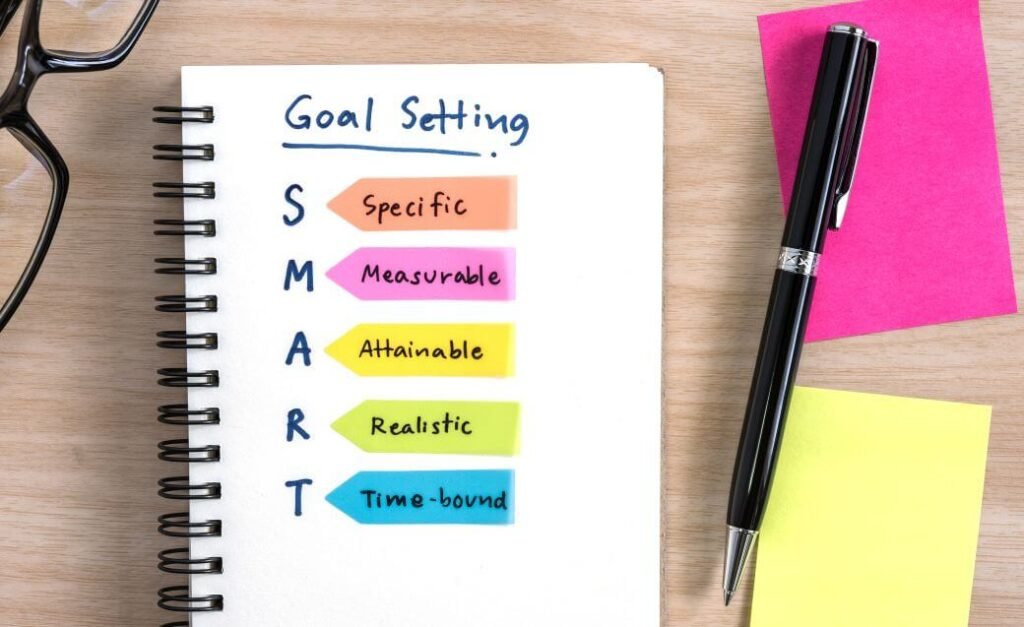
SMART is an acronym that stands for:
- Specific
- Measurable
- Achievable
- Relevant
- Time-Bound
This framework helps organizations develop objectives that are clear, actionable, and easy for grant reviewers to evaluate.
Instead of making general statements like, “Improve community health,” SMART goals provide specific outcomes that can be measured and tracked over time.
Healthcare grants increasingly emphasize accountability and measurable impact, making SMART goals a critical component of successful applications.
Why SMART Goals Matter in Healthcare Grant Applications
Grant funders want evidence that their investment will lead to meaningful results. Clearly written goals help reviewers understand:
- What your project intends to accomplish
- How progress will be measured
- Whether the objectives are realistic
- When results are expected to occur
- How the project aligns with funding priorities
Strong goals demonstrate that your organization has carefully planned the project and understands how to measure success.
Applications with vague or poorly defined objectives often struggle to compete for grant funding.
Make Your Goals Specific
The first component of SMART goals is specificity.
A specific goal clearly explains:
- What will be accomplished
- Who will benefit
- What services will be provided
- Which problem will be addressed
Weak Goal Example
Improve patient access to healthcare services.
Strong SMART Goal Example
Provide preventive healthcare screenings to 1,000 uninsured adults in the community.
The second example gives grant reviewers a much clearer understanding of the project’s purpose and intended impact.
Specific goals create a strong foundation for healthcare grant applications.
Ensure Your Goals Are Measurable
Funders want to see results. A measurable goal includes indicators that can be tracked and evaluated.
Consider including metrics such as:
- Number of patients served
- Percentage increases or decreases
- Participation rates
- Health outcomes
- Service utilization rates
- Patient satisfaction scores
Weak Goal Example
Increase access to mental health services.
Strong SMART Goal Example
Increase access to mental health counseling services by serving 300 additional patients during the 12-month grant period.
Measurable goals allow organizations to demonstrate accountability and report meaningful outcomes.
Set Achievable Goals
Ambitious projects are valuable, but unrealistic goals can raise concerns among grant reviewers.
When developing objectives, consider:
- Available staff
- Existing resources
- Budget limitations
- Organizational experience
- Time constraints
Unrealistic Goal Example
Eliminate chronic disease throughout the entire county within one year.
Achievable Goal Example
Provide chronic disease management services to 500 high-risk patients over the next 12 months.
Funders appreciate organizations that establish goals that are both meaningful and realistic.
Make Goals Relevant to the Grant’s Purpose
Every healthcare grant has specific funding priorities.
Your goals should directly support:
- The funder’s mission
- Community needs
- Project objectives
- Organizational priorities
For example, if a grant focuses on maternal health, your objectives should specifically address maternal and prenatal healthcare outcomes.
Misaligned goals can weaken even the strongest applications.
Demonstrating relevance shows reviewers that your project is an excellent fit for the funding opportunity.
Establish Time-Bound Objectives
Every SMART goal should include a clear timeline.
Deadlines help reviewers understand:
- When activities will occur
- When outcomes are expected
- How progress will be monitored
Weak Goal Example
Increase preventive screenings.
Strong SMART Goal Example
Increase preventive healthcare screenings by 25% within 18 months of receiving grant funding.
Time-bound goals demonstrate organizational planning and create clear expectations for project implementation.
Examples of SMART Goals for Healthcare Grants
Healthcare organizations can apply SMART goals to many types of projects.
Community Health Program
Provide health education workshops to 1,200 community residents within 12 months.
Rural Healthcare Initiative
Expand telehealth services to reach 500 additional rural patients by the end of the grant period.
Mental Health Program
Reduce appointment wait times for behavioral health services by 20% within one year.
Women’s Health Initiative
Increase breast cancer screening participation among eligible patients by 30% within 18 months.
Chronic Disease Management Program
Enroll 400 patients in diabetes management services during the first year of program implementation.
These examples clearly demonstrate what will be accomplished and how success will be measured.
How SMART Goals Strengthen Healthcare Grant Proposals
Including SMART goals in your grant application offers several advantages.
They help:
- Improve proposal clarity
- Demonstrate accountability
- Support evaluation planning
- Strengthen project design
- Build reviewer confidence
- Increase funding competitiveness
Healthcare grants are increasingly data-driven, making measurable objectives an essential part of successful grant writing.
Common Mistakes When Writing Grant Goals
Organizations often weaken their proposals by making avoidable mistakes.
Common errors include:
- Using vague language
- Setting unrealistic expectations
- Omitting measurable outcomes
- Failing to include timelines
- Creating objectives unrelated to the grant’s priorities
- Establishing goals without supporting data
Avoiding these mistakes can significantly improve the quality of your healthcare grant applications.
Tips for Developing Effective SMART Goals
Before submitting your grant proposal, ask yourself the following questions:
- Is the goal clearly defined?
- Can progress be measured?
- Is the objective realistic?
- Does it align with the grant’s priorities?
- Is there a clear deadline?
If you can answer yes to all five questions, your goals are likely following the SMART framework.
Final Thoughts
Writing SMART goals is one of the most effective ways to strengthen healthcare grant applications. Funders want to support organizations that can clearly articulate their objectives, measure outcomes, and demonstrate meaningful impact.
By creating goals that are Specific, Measurable, Achievable, Relevant, and Time-Bound, healthcare organizations can develop stronger proposals and improve their chances of securing grant funding.
Whether you’re pursuing healthcare grants for community health programs, mental health initiatives, women’s health services, or healthcare technology projects, well-written SMART goals provide the foundation for successful grant applications and long-term program success.