
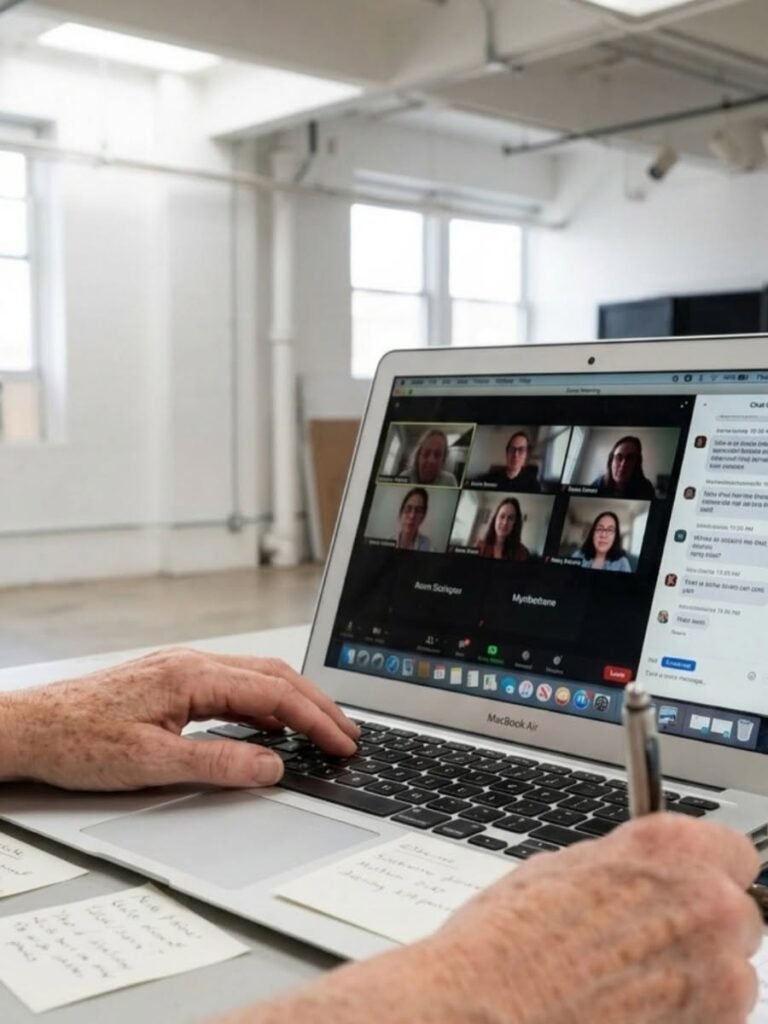
Applying for healthcare grants is about more than presenting a great idea—it’s about demonstrating that your organization has the experience, resources, and community support needed to successfully carry out the proposed project. One of the most effective ways to strengthen your grant application is by building meaningful partnerships.
Grant funders often look for collaboration because it shows that organizations are working together to address complex healthcare challenges. Whether you’re partnering with hospitals, nonprofit organizations, educational institutions, or local businesses, strong partnerships can increase your credibility, expand your reach, and improve your chances of securing grant funding.
In this guide, we’ll explore why partnerships matter, how to build them, and how they can make your healthcare grant applications more competitive.
Why Partnerships Matter for Healthcare Grants
Many healthcare challenges cannot be solved by a single organization alone. Funders recognize that collaboration often leads to better outcomes, greater efficiency, and a wider community impact.
Strong partnerships can help your organization:
- Expand access to services
- Reach underserved populations
- Share expertise and resources
- Reduce project costs
- Improve program sustainability
- Demonstrate community support
When multiple organizations work together toward a common goal, grant reviewers often view the proposed project as more credible and capable of delivering meaningful results.
Benefits of Collaborative Grant Applications
Partnering with other organizations offers advantages beyond simply strengthening your proposal.
Collaborative grant applications can:
- Increase organizational credibility
- Expand the project’s geographic reach
- Improve service coordination
- Provide access to specialized expertise
- Strengthen evaluation and reporting efforts
- Demonstrate broader community involvement
Healthcare grants frequently prioritize projects that encourage cooperation among healthcare providers, community organizations, and public agencies.
Identify the Right Partners
Not every partnership will improve a grant application. The most successful collaborations involve organizations whose missions and strengths complement one another.
Potential partners may include:
- Hospitals and health systems
- Community health clinics
- Nonprofit organizations
- Public health departments
- Universities and research institutions
- Schools and educational organizations
- Faith-based organizations
- Local government agencies
- Professional healthcare associations
- Community advocacy groups
Choose partners that share your commitment to improving healthcare outcomes and serving the same target population.
Align Goals and Expectations Early
Successful partnerships begin with clear communication.
Before preparing a grant application, discuss:
- Shared project goals
- Roles and responsibilities
- Decision-making processes
- Budget expectations
- Data sharing
- Reporting requirements
- Project timelines
Establishing expectations early helps prevent misunderstandings and ensures every partner understands their responsibilities throughout the project.
Demonstrate Community Support
Healthcare grants often prioritize projects that address genuine community needs.
Strong partnerships can demonstrate that your proposal has broad local support.
Examples of community support include:
- Letters of commitment
- Memorandums of understanding
- Community advisory boards
- Collaborative planning meetings
- Stakeholder participation
- Public outreach efforts
Showing that multiple organizations support your project reassures funders that the proposed initiative addresses a real healthcare challenge.
Leverage Each Partner’s Strengths
Every organization brings unique expertise to a collaborative project.
For example:
- Hospitals may provide clinical expertise.
- Universities can assist with research and evaluation.
- Community organizations often have trusted relationships with local residents.
- Public health agencies can contribute data and public health resources.
- Nonprofits may offer specialized outreach services.
Clearly defining each partner’s contribution demonstrates thoughtful planning and improves the overall quality of your grant proposal.
Include Partnerships Throughout Your Grant Proposal
Don’t limit partnership discussions to a single section of your application.
Instead, reference collaborations throughout your proposal by explaining:
- Why each partner was selected
- Their specific responsibilities
- How they contribute to project success
- Their experience serving the target population
- Their role in long-term sustainability
Integrating partnership information throughout the proposal reinforces the strength of your collaborative approach.
Strengthen Your Evaluation Plan Through Collaboration
Grant reviewers want to know how project outcomes will be measured.
Partnerships can improve evaluation efforts by providing access to:
- Research expertise
- Data collection tools
- Community surveys
- Patient outcome measurements
- Program performance analysis
Organizations with strong evaluation partners often present more credible and comprehensive grant applications.
Build Partnerships Before Grant Opportunities Arise
One common mistake is trying to establish partnerships only after finding a grant opportunity.
Strong collaborations require time to develop.
Instead, build relationships year-round by:
- Attending community meetings
- Participating in healthcare coalitions
- Joining professional organizations
- Hosting collaborative events
- Networking with local leaders
- Exploring shared community priorities
Established partnerships often lead to stronger proposals and smoother project implementation.
Develop a Sustainability Plan Together
Many healthcare grants require applicants to explain how projects will continue after grant funding ends.
Collaborative organizations can strengthen sustainability by:
- Sharing ongoing responsibilities
- Combining resources
- Pursuing future grant opportunities together
- Expanding community partnerships
- Developing long-term service strategies
Funders appreciate projects that demonstrate lasting impact beyond the grant period.
Common Partnership Mistakes to Avoid
While partnerships offer many benefits, poorly managed collaborations can weaken a grant proposal.
Avoid these common mistakes:
- Choosing partners solely to strengthen the application
- Failing to define responsibilities
- Overlooking communication plans
- Ignoring differences in organizational goals
- Waiting until the last minute to build partnerships
- Not documenting commitments
Strong partnerships are built on trust, shared objectives, and ongoing collaboration—not just grant funding.
Best Practices for Successful Grant Partnerships
To maximize the impact of your partnerships:
- Choose organizations with complementary strengths.
- Align your goals before applying for funding.
- Clearly define roles and responsibilities.
- Maintain regular communication.
- Share data and resources responsibly.
- Include partners in planning and evaluation.
- Document commitments with formal agreements when appropriate.
Following these best practices can strengthen both your grant application and your long-term community impact.
Final Thoughts
Building meaningful partnerships is one of the most effective ways to strengthen healthcare grant applications. Collaboration demonstrates to funders that your organization has the support, expertise, and resources needed to successfully implement a project and create measurable outcomes.
By working with healthcare providers, nonprofit organizations, educational institutions, public agencies, and community groups, you can develop stronger proposals, expand your reach, and increase your chances of securing healthcare grants. More importantly, these partnerships create lasting relationships that improve healthcare delivery and benefit the communities you serve long after the grant period has ended.
Whether you’re applying for your first grant or managing multiple healthcare grants each year, investing in strong partnerships can become one of your organization’s greatest assets.