
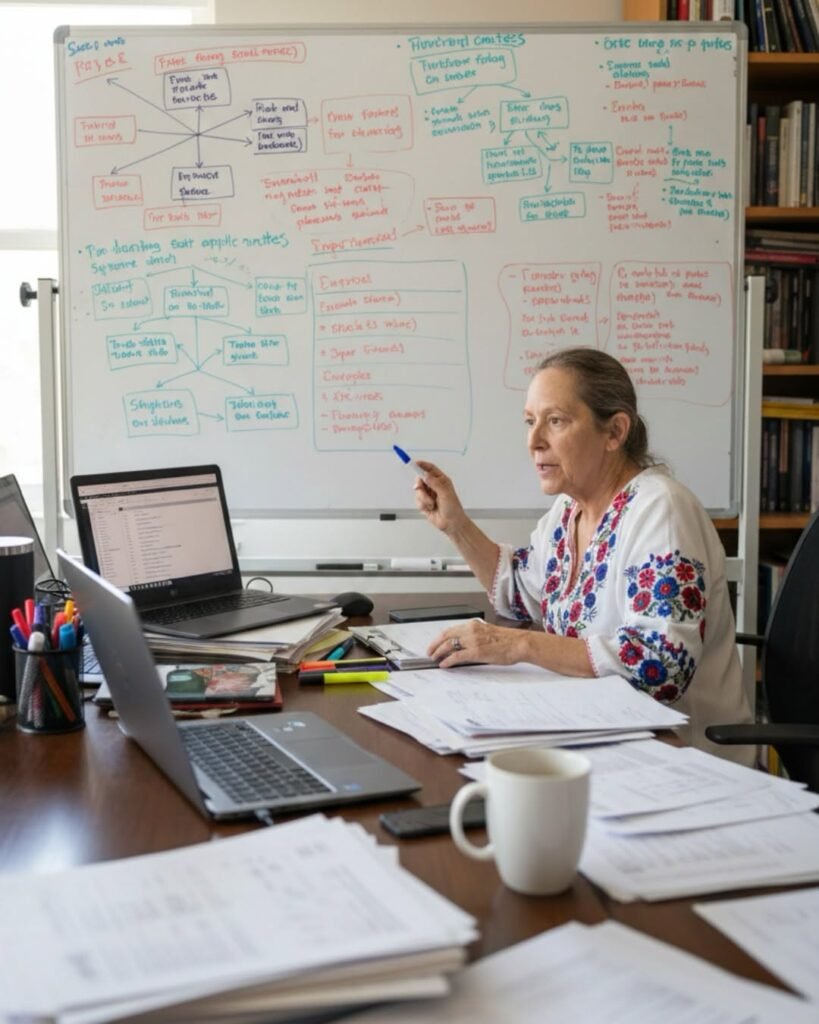
Winning healthcare grants requires more than a great idea. Whether you’re applying for federal funding, private foundation grants, or community-based healthcare grants, the quality of your proposal often determines whether your organization receives funding.
Grant reviewers evaluate hundreds of applications, and successful proposals share one thing in common—they contain the essential elements that clearly communicate the need, the solution, and the organization’s ability to deliver results.
If you’re preparing to apply for grants, make sure your proposal includes these ten critical components.
1. Executive Summary
The executive summary is often the first section reviewers read and, in many cases, it shapes their first impression of your proposal.
This section should provide a concise overview of:
- Your organization
- The problem you’re addressing
- The proposed solution
- The amount of funding requested
- The expected outcomes
Although it appears at the beginning of the proposal, many grant writers prefer to write the executive summary last to ensure it accurately reflects the entire application.
A strong executive summary should be clear, compelling, and easy to understand.
2. Organizational Background
Funders want to know who they are investing in.
Your organizational background should explain:
- Your mission and vision
- When your organization was established
- The communities you serve
- Major accomplishments
- Previous experience managing grants
- Your leadership and staff expertise
This section helps establish credibility and demonstrates that your organization has the experience and infrastructure necessary to successfully manage grant funding.
3. Statement of Need
The statement of need is one of the most important sections of any grant proposal.
This section explains:
- The problem your organization is trying to solve
- Why the issue matters
- Who is affected
- Why funding is necessary
Support your case with:
- Research studies
- Community assessments
- Healthcare statistics
- Demographic information
- Patient data
- Industry trends
For healthcare grants, using local and national health data can significantly strengthen your proposal.
A well-written need statement helps reviewers understand the urgency and importance of your project.
4. Project Goals and Objectives
Funders want to know exactly what your organization plans to achieve.
Goals provide the broad vision of the project, while objectives should be specific and measurable.
Strong objectives often answer the following questions:
- What will be accomplished?
- Who will benefit?
- By how much?
- By when?
For example:
“Increase preventive screenings among underserved adults by 25% within 12 months.”
Clear objectives demonstrate accountability and make it easier to evaluate project success.
5. Project Description and Implementation Plan
This section explains how your organization will accomplish its goals.
Your project description should include:
- Program activities
- Services to be provided
- Staffing responsibilities
- Implementation timeline
- Project milestones
- Community partnerships
Reviewers want confidence that your organization has a realistic and organized plan for delivering results.
A detailed implementation plan can significantly improve the competitiveness of your grant proposal.
6. Evaluation Plan
Most healthcare grants require applicants to demonstrate how they will measure success.
An evaluation plan should explain:
- Performance indicators
- Data collection methods
- Reporting procedures
- Expected outcomes
- Measurement timelines
Examples of evaluation metrics include:
- Number of patients served
- Increased healthcare access
- Reduced hospital readmissions
- Improved patient outcomes
- Higher patient satisfaction scores
A strong evaluation plan demonstrates accountability and helps funders understand the impact of their investment.
7. Organizational Capacity
Grant reviewers want to know whether your organization can successfully manage both the project and the funding.
This section should highlight:
- Staff qualifications
- Leadership experience
- Previous grant management experience
- Existing programs
- Financial systems
- Operational infrastructure
Demonstrating organizational capacity reassures funders that their grant dollars will be managed responsibly.
8. Detailed Budget
The budget is more than a list of expenses—it’s a reflection of your organization’s planning and financial responsibility.
Your budget should clearly explain how grant funds will be used.
Common categories include:
- Personnel costs
- Equipment
- Supplies
- Technology
- Travel expenses
- Training
- Administrative expenses
- Program costs
The budget should align closely with the project narrative and include reasonable, justifiable expenses.
Errors in budgeting are one of the most common reasons grant proposals are rejected.
9. Sustainability Plan
Many grants provide funding for a limited period, so funders want to understand what happens after the grant ends.
Your sustainability plan should explain how the project will continue by discussing:
- Future funding opportunities
- Community partnerships
- Revenue generation strategies
- Organizational support
- Integration into existing services
A thoughtful sustainability plan demonstrates long-term thinking and increases confidence in your project’s future success.
10. Supporting Documents
Supporting documents provide additional evidence that strengthens your proposal.
Depending on the grant requirements, these may include:
- Financial statements
- IRS documentation
- Letters of support
- Board member lists
- Strategic plans
- Resumes of key personnel
- Partnership agreements
- Annual reports
These documents help validate the information presented in your application and establish credibility.
Common Mistakes to Avoid in Grant Proposals
Even organizations with excellent projects can lose funding opportunities due to avoidable mistakes.
Some of the most common include:
- Ignoring application instructions
- Using generic proposals
- Failing to support claims with data
- Submitting unrealistic budgets
- Missing deadlines
- Omitting required documentation
- Writing unclear objectives
- Failing to explain sustainability
Carefully reviewing your proposal before submission can prevent many of these issues.
Final Thoughts
Successful healthcare grants don’t happen by accident. They result from thoughtful planning, strong storytelling, and a well-structured proposal that addresses every aspect of the funding opportunity.
By including these ten essential elements—an executive summary, organizational background, statement of need, measurable objectives, implementation plan, evaluation strategy, organizational capacity, detailed budget, sustainability plan, and supporting documents—you can significantly strengthen your grant applications and improve your chances of securing funding.
Whether you’re pursuing healthcare grants, nonprofit grants, or other funding opportunities, a complete and compelling proposal can make all the difference in turning your vision into reality.