
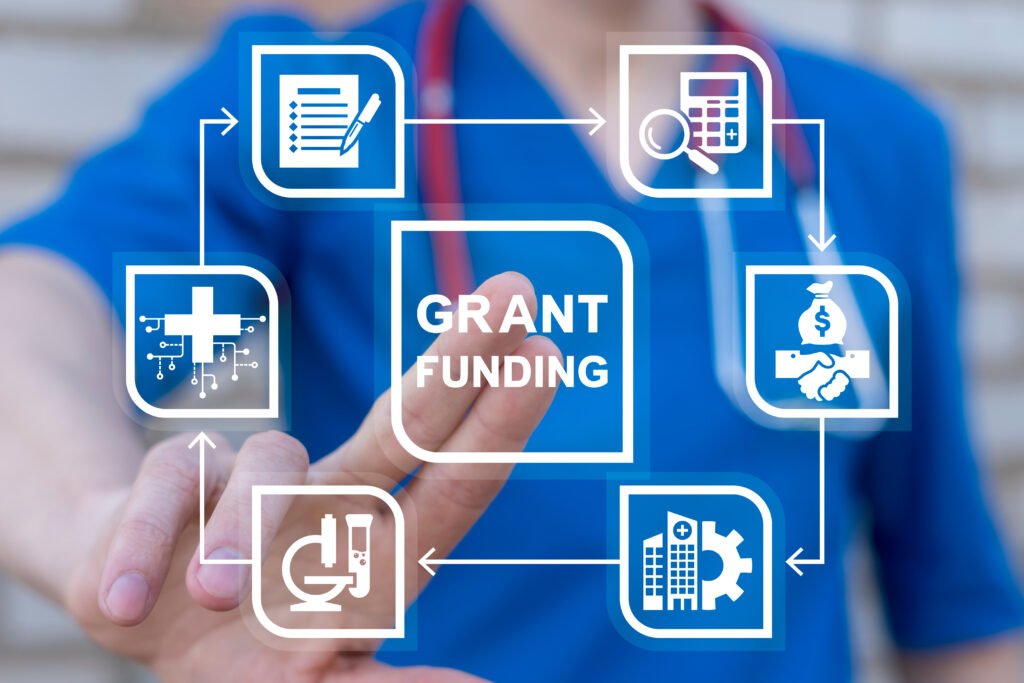
Federal healthcare grants play a vital role in supporting hospitals, clinics, nonprofit organizations, research institutions, and healthcare startups across the United States. These grants provide funding for projects that improve patient care, expand healthcare access, support medical research, and strengthen public health initiatives.
Whether you’re a community health center looking to expand services or a nonprofit organization launching a new healthcare program, understanding how federal healthcare grants work can significantly increase your chances of securing funding.
This guide explains what federal healthcare grants are, who qualifies, where to find them, and how to apply successfully.
What Are Federal Healthcare Grants?
Federal healthcare grants are financial awards provided by U.S. government agencies to support healthcare-related projects that benefit the public. Unlike loans, grants generally do not need to be repaid, provided recipients comply with the terms and reporting requirements.
These healthcare grants are designed to address a wide range of healthcare challenges, including:
- Improving access to healthcare services
- Supporting medical research
- Expanding rural healthcare
- Promoting disease prevention
- Strengthening mental health programs
- Advancing telehealth services
- Enhancing healthcare workforce development
Federal grants are highly competitive, making preparation and strategic planning essential for success.
Why Federal Healthcare Grants Matter
Healthcare organizations often face increasing demands while working within limited budgets. Federal grants provide critical funding that allows organizations to launch new initiatives without relying solely on operating revenue or private donations.
Federal healthcare grants can help organizations:
- Purchase medical equipment
- Expand patient care services
- Hire healthcare professionals
- Improve healthcare technology
- Fund community outreach programs
- Support research and innovation
- Develop workforce training programs
For many organizations, grant funding makes projects possible that would otherwise remain out of reach.
Who Can Apply for Federal Healthcare Grants?
Eligibility varies depending on the funding opportunity, but federal healthcare grants are commonly available to:
- Nonprofit healthcare organizations
- Hospitals and medical centers
- Community health clinics
- Universities and research institutions
- Public health departments
- Tribal organizations
- Local and state governments
- Faith-based organizations
- Healthcare startups (for select programs)
- Educational institutions
Some grants are also available to for-profit healthcare businesses, particularly those focused on innovation, technology, or rural healthcare solutions.
Always review eligibility requirements carefully before beginning an application.
Types of Federal Healthcare Grants
Federal healthcare grants support many different areas of healthcare. Understanding the available categories can help narrow your search.
Community Health Grants
These grants improve access to healthcare services in underserved communities by funding clinics, preventive care, health education, and outreach programs.
Common focus areas include:
- Primary care
- Preventive medicine
- Maternal health
- Pediatric care
- Chronic disease management
Rural Healthcare Grants
Rural healthcare providers often face staffing shortages, transportation barriers, and limited resources.
Federal grants may support:
- Rural hospital expansion
- Telehealth technology
- Mobile medical services
- Emergency care
- Healthcare workforce recruitment
Mental Health Grants
Mental health continues to be a major funding priority.
Healthcare grants in this area often support:
- Behavioral health programs
- Substance abuse treatment
- Crisis intervention services
- Suicide prevention initiatives
- Community mental health education
Medical Research Grants
Research institutions, universities, and healthcare organizations frequently pursue federal grants to advance medical discoveries.
Funding may support:
- Clinical trials
- Disease prevention
- Medical innovation
- Public health research
- Healthcare technology development
Telehealth Grants
Telehealth has become an essential part of healthcare delivery.
Federal healthcare grants often help organizations:
- Purchase telemedicine equipment
- Improve broadband connectivity
- Expand virtual patient services
- Train healthcare providers
- Enhance remote patient monitoring
Healthcare Workforce Development Grants
Healthcare staffing shortages continue across many regions.
Federal grants support programs that:
- Train nurses
- Recruit physicians
- Expand residency programs
- Improve workforce retention
- Increase diversity within healthcare professions
Where to Find Federal Healthcare Grants
Finding the right grant begins with knowing where to search.
Many organizations monitor federal funding opportunities through government grant databases and agency websites.
You can also explore grant opportunities offered through agencies responsible for healthcare, public health, medical research, and rural health initiatives.
Professional healthcare associations and grant consultants can also help identify funding opportunities that align with your organization’s mission.
Creating a grant calendar can help ensure you never miss important application deadlines.
How to Determine If a Grant Is Right for Your Organization
Not every healthcare grant is the right fit.
Before applying, evaluate whether the grant aligns with your:
- Organizational mission
- Patient population
- Geographic location
- Available staffing
- Financial capacity
- Project goals
- Reporting capabilities
Applying only for grants that closely match your organization’s objectives increases your chances of success.
How to Prepare a Strong Federal Grant Application
Federal grant applications often require detailed planning.
Successful applicants typically prepare:
- A clear project narrative
- Organizational background
- Detailed budget
- Timeline
- Measurable objectives
- Community needs assessment
- Evaluation plan
- Sustainability strategy
- Supporting documentation
Strong applications demonstrate both community need and the organization’s ability to successfully manage grant funding.
Common Challenges When Applying for Healthcare Grants
Federal healthcare grants are highly competitive, and organizations often encounter several challenges during the application process.
Common obstacles include:
- Strict eligibility requirements
- Complex application instructions
- Limited preparation time
- Extensive documentation requirements
- Budget development
- Outcome measurement expectations
Organizations that begin preparing well before deadlines are generally more successful than those rushing to complete applications.
Tips for Increasing Your Grant Success Rate
Winning healthcare grants requires more than completing an application.
Consider these best practices:
- Carefully follow every application instruction.
- Focus on measurable outcomes.
- Clearly explain the community need.
- Demonstrate organizational experience.
- Provide realistic budgets.
- Include supporting data whenever possible.
- Proofread every section before submission.
- Submit applications well before the deadline.
Attention to detail often makes the difference between a successful application and one that is rejected.
Managing Federal Grant Funding After Approval
Receiving grant funding is only the beginning.
Organizations are typically responsible for:
- Tracking expenditures
- Monitoring project milestones
- Meeting reporting deadlines
- Maintaining financial records
- Demonstrating measurable outcomes
- Following grant compliance requirements
Strong grant management helps organizations remain eligible for future funding opportunities.
Frequently Asked Questions About Federal Healthcare Grants
Do federal healthcare grants have to be repaid?
Most federal grants do not require repayment if the funding is used appropriately and all grant conditions are met.
Are federal healthcare grants only for nonprofit organizations?
No. While many grants target nonprofit organizations, certain funding opportunities are available to for-profit healthcare businesses, research institutions, educational organizations, and government agencies.
How competitive are healthcare grants?
Federal healthcare grants are often highly competitive due to limited funding and nationwide demand. Careful planning and strong proposals can improve your chances of success.
Can small healthcare organizations apply?
Yes. Many federal grant programs are specifically designed to support smaller healthcare providers, rural clinics, and community organizations.
Final Thoughts
Federal healthcare grants provide organizations with valuable opportunities to expand services, improve patient outcomes, invest in innovation, and strengthen communities. While the application process can be complex, organizations that take the time to research funding opportunities, prepare compelling proposals, and align projects with grant priorities are well positioned for success.
Whether you’re seeking funding for a new healthcare initiative, expanding an existing program, or investing in medical technology, understanding how federal healthcare grants work is the first step toward securing the resources your organization needs to make a lasting impact.